Coolants and Antifreeze for Injection Molding Machinery

Coolants and antifreeze play pivotal roles in the injection molding sector, serving as essential components for regulating both mold and hydraulic oil temperatures throughout the manufacturing process.

Protect Your Hydraulic Machinery with the Right Coolant or Antifreeze

Ensuring the optimal performance and longevity of hydraulic machinery necessitates the utilization of suitable coolants or antifreeze solutions. These fluids act as guardians, shielding equipment from the detrimental effects of temperature fluctuations encountered during operation.

In the realm of injection molding, maintaining precise temperatures within the mold is paramount for achieving consistent product quality and structural integrity. Coolants serve as the frontline defense, effectively dissipating excess heat generated during the molding process. By stabilizing the temperature of the mold, these fluids facilitate efficient cooling and solidification of the molten material, thus enhancing production efficiency and minimizing defects.

Moreover, hydraulic systems integral to injection molding machinery rely heavily on the circulation of hydraulic oil to power various components. However, prolonged exposure to extreme temperatures can compromise the viscosity and lubricating properties of hydraulic fluids, leading to diminished equipment performance and increased wear and tear. Herein lies the significance of antifreeze solutions, which serve to maintain hydraulic oil within optimal temperature ranges, ensuring smooth operation and safeguarding against potential breakdowns.
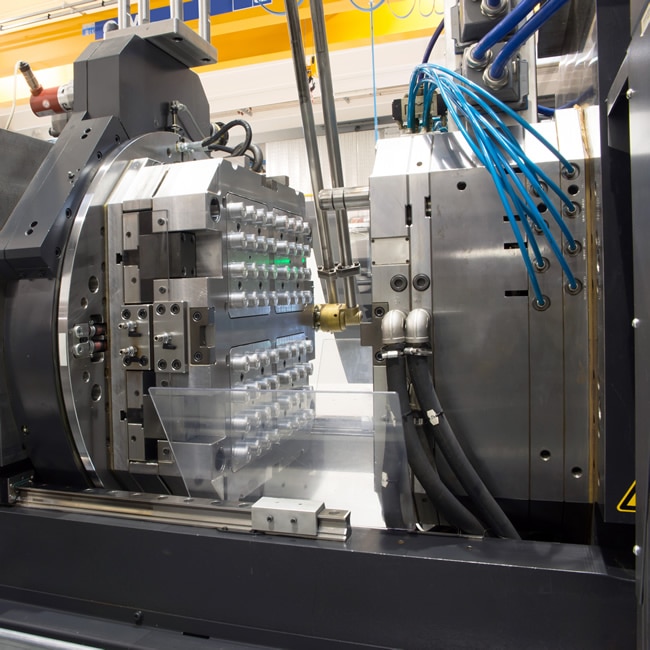
Protect Your Hydraulic Machinery with the Right Coolant or Antifreeze

The Critical Role of Coolants in Injection Molding Equipment

Selecting the appropriate coolant or antifreeze is imperative to safeguarding the integrity and functionality of injection molding equipment. Factors such as compatibility with system materials, thermal conductivity, viscosity, and resistance to thermal degradation must be carefully considered to ensure optimal performance and longevity.

Furthermore, the choice between water-based and glycol-based solutions warrants thorough evaluation, taking into account factors such as environmental impact, freeze protection, and corrosion resistance. While water-based coolants offer eco-friendly advantages and cost-effectiveness, glycol-based formulations excel in providing superior freeze protection and thermal stability.

Collaboration with reputable suppliers and adherence to manufacturer recommendations are paramount in selecting the most suitable coolant or antifreeze for injection molding applications. Suppliers equipped with expertise in fluid dynamics and industrial processes can provide invaluable insights and recommendations tailored to specific operational requirements.

In essence, investing in high-quality coolants or antifreeze solutions is not merely a matter of maintenance but a strategic imperative for optimizing performance, prolonging equipment lifespan, and safeguarding operational continuity within the injection molding industry. By prioritizing proper fluid management, manufacturers can uphold production standards, mitigate risks, and ensure the longevity of their hydraulic machinery.