Lubricant & Hydraulic Oil Analysis

Caring for the lifeblood of your assests

It is proven that 80% of hydraulic component failures are due to contamination! To meet our customers’ needs with the utmost flexibility, we offer two convenient options for hydraulic oil sampling. We can supply sample kits directly to your in-house maintenance teams, allowing them to collect samples at their convenience with the oil analysis test kits provided. Alternatively, our team of skilled technicians can visit your site to obtain samples, ensuring a seamless and hassle-free process.

Lubricants & Hydraulic Oil Analysis

Benchmark of any Proactive Oil Management Program

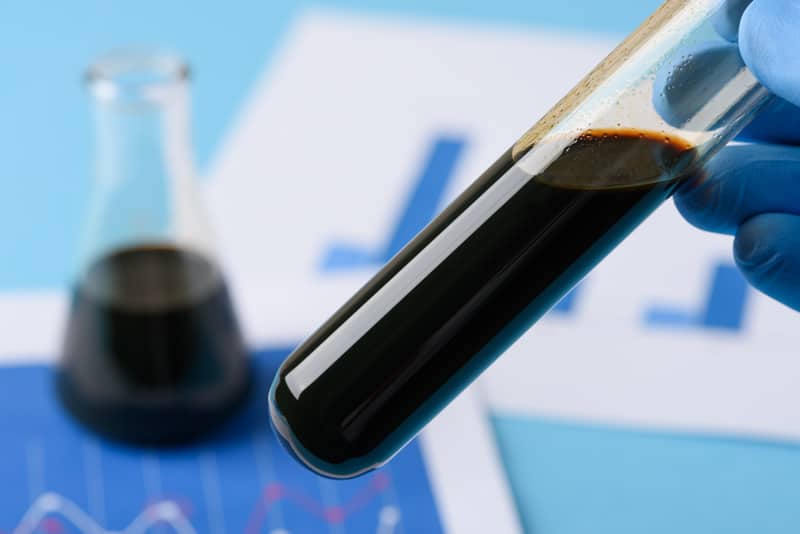
Hydraulic oil analysis is akin to undergoing a blood test for your machinery. It provides a comprehensive health check, ensuring optimal performance and longevity of your equipment. At OMS LubriTek, we partner with Oil Analysis Laboratories to deliver precise and reliable diagnostic reports on the condition of your hydraulic oil.

The diagnostic report provided by our laboratory covers several critical aspects essential for maintaining the health and efficiency of your hydraulic systems. One of the primary areas assessed is the ISO 4406 cleanliness level. This measures the number of particles present in the oil, which can indicate potential contamination issues that might lead to wear and tear on machinery components.

hydraulic oil testing and analysis

OMS LubriTek's Oil Analysis Service

Another crucial parameter in our analysis is the level of water contamination, measured in parts per million (ppm). Water in hydraulic oil can significantly impact the oil’s performance and the machinery’s operational efficiency. Detecting and addressing water contamination early can prevent corrosion, cavitation, and other moisture-related issues that can severely damage hydraulic systems.

Wear metal contamination is also closely monitored. The presence of wear metals in the oil can reveal the extent of internal wear within the machinery. By identifying these wear metals, maintenance teams can take proactive steps to address any emerging issues before they escalate into major problems, thus extending the life of the equipment.

The report also includes an assessment of the Neut Number, which indicates the level of oxidation in the oil & in addition to this we can offer MPC (Membrane Patch Colorimetry) which measures the levels of soluble varnish within the oil, this is a byproduct of oxidation which occurs naturally overtime & can lead to the formation of sludge and varnish, adversely affecting the performance of the hydraulic system. Monitoring the Neut No. helps in determining the oil’s degradation level and the appropriate time for an oil change.

Lastly, the analysis examines the levels of oil performance additives. These additives are crucial for maintaining the oil’s functionality and effectiveness. Over time, these additives deplete, reducing the oil’s ability to protect the machinery. By tracking the additive levels, we can ensure the oil is providing the necessary protection and recommend timely replenishment.

In summary, our hydraulic oil testing and analysis service is designed to provide a thorough health check of your hydraulic systems. Whether through our convenient sample kits or on-site sampling by our technicians, we deliver detailed and actionable insights to help you maintain optimal performance and extend the lifespan of your equipment.

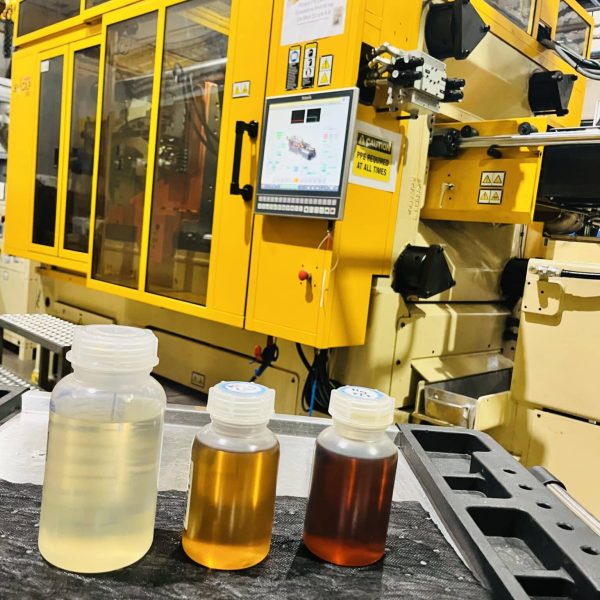
Husky Samples

Additonal Laboratory Services Available

Offering additonal laboratory services really help us gain an understanding of hydraulic oil & lubircants and more importantly to confirm our interpretation of results. These include tests such as RULER (Remaining Useful Life Evaluation Routine) which determines remaining life of the lubricant before it degrades when compared to a new lubricant. MPC (Membrane Patch Colorimetry) this measures the varnish potetnial in hydraulic & lubricants which are the byproducts of oxidsation leading to formation of sludge & varnish. Oxidisation is common In plastic injection & blow mouldin machinery and montoring MPC levels overtime enable us to deploy filtration methods to remove soluble varnish picked up on an MPC patch. If varnish has become insoluble it would be typical to see a low MPC rating, this is where our VRT UltraClean technology would be used to cleanse the system and components. Additional we can examine used filters elemeents which involves cutting into the pleasts, flushing with a solvent and examining the contamination trapped in the filter media. This can give indications as to route cause of failure within machinery, for example metallic components trapped can be used to identify hydraulic system wear parts suchs as pumps and cylinders through Iron and Chromium respectively. 

A Sample Hydraulic Oil Sample Analysis